Upcoming Events
1) Female Buddhas and Sacred Sexuality
2) Mediation and Medicine Book TOUR
3)Nepal Yoga Festival
4)Mantra, Dharani and Sutra Chanting
5)Buddhist Bhajan and Sadhana practice
6)Charya singing practice
7) Full Moon Namasangiti Chanting
Monthly Newsletter available on this link
All in Pacific Time
🙏🙏🙏🙏🙏🙏🙏🙏🙏🙏🙏🙏🙏🙏🙏
” Famale Buddhas and Sacred Sexuality in Vajrayana Art and Practice”
Slide Presentation By Prof. Miranda Shaw
Wednesday April 24th at 7pm online and in-person
Register with suggested donation $20
https://www.paypal.com/donate?hosted_button_id=4EWA6XMG38NGG
Prof. Shaw will share her insights into the iconography and character of Tantric female Buddhas, drawing on her field research in India and Nepal as well as her background as cultural historian. She will explore the pure vision of sacred intimacy portrayed by Buddha couples and preview new findings on different modes of Tantric partnership that Dr. or Prof.? Shaw derived from the movement qualities of various Charya dances.
🙏🙏🙏🙏🙏🙏🙏🙏🙏🙏🙏🙏🙏🙏🙏
Let Mediation Be thy Medicine Book Tour May 14th Tuesday at 7pm
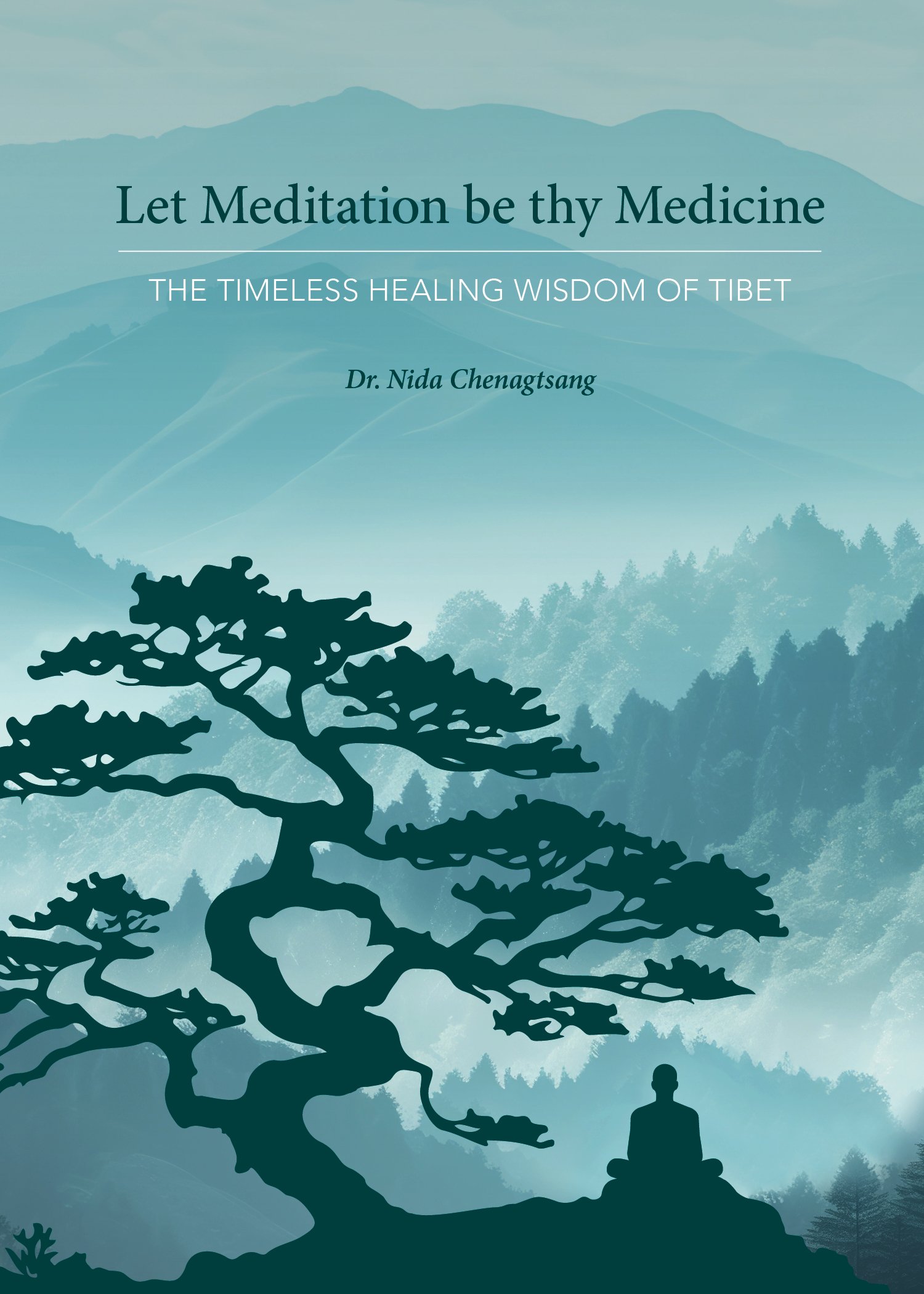
The beauty of Tantric Buddhism is its diversity of process—there are many types of practice. But that means it is easy to feel lost—which practice is best for you? In this teaching, Let Meditation be thy Medicine, Dr. Nida explores the two treasures of the 12th century yogi-physician, Yuthok Yönten Gönpo — Sowa Rigpa and the Yuthok Nyingthig — to help us find our spiritual match. Sowa Rigpa (Tibetan medical) diagnosis and treatment revolves around elemental type, similar to Ayurveda. The Yuthok Nyingthig Buddhist path likewise offers practices that are particularly well suited for each type—wind, fire, and earth/water. In this unique presentation of the interconnectedness of Tibetan medicine and Buddhist tantra, Dr. Nida introduces traditional meditation techniques alongside diet and lifestyle recommendations that teach us how to nourish, detox, or fast — physically, psychologically, and spiritually — in order to balance our unique elemental type.
When Yuthok composed his teachings in the 12th century he predicted that future students would be busy, lacking the time and resources to do long and elaborate practices and retreats like the practitioners of the past. We are those students. This teaching shows us how to make the most of our precious time and effort on the spiritual path by helping us find the practices that best balance our body, energy, and mind. It serves as an introduction to Tantric Buddhism and the Yuthok Nyingthig as well as to Sowa Rigpa, and is suitable for both new and experienced meditators.
Book signing will follow the talk.
Born in Amdo, Malho, in Northeastern Tibet, Dr. Nida began his early studies of Sowa Rigpa at the local Tibetan medical hospital. Later, he was awarded a scholarship to enter the Lhasa Mentsikhang or Tibetan Medical University, where he completed his degree in 1996, with practical training at the Tibetan Medicine hospitals in Lhasa and Lhoka.
ABOUT THE AUTHOR
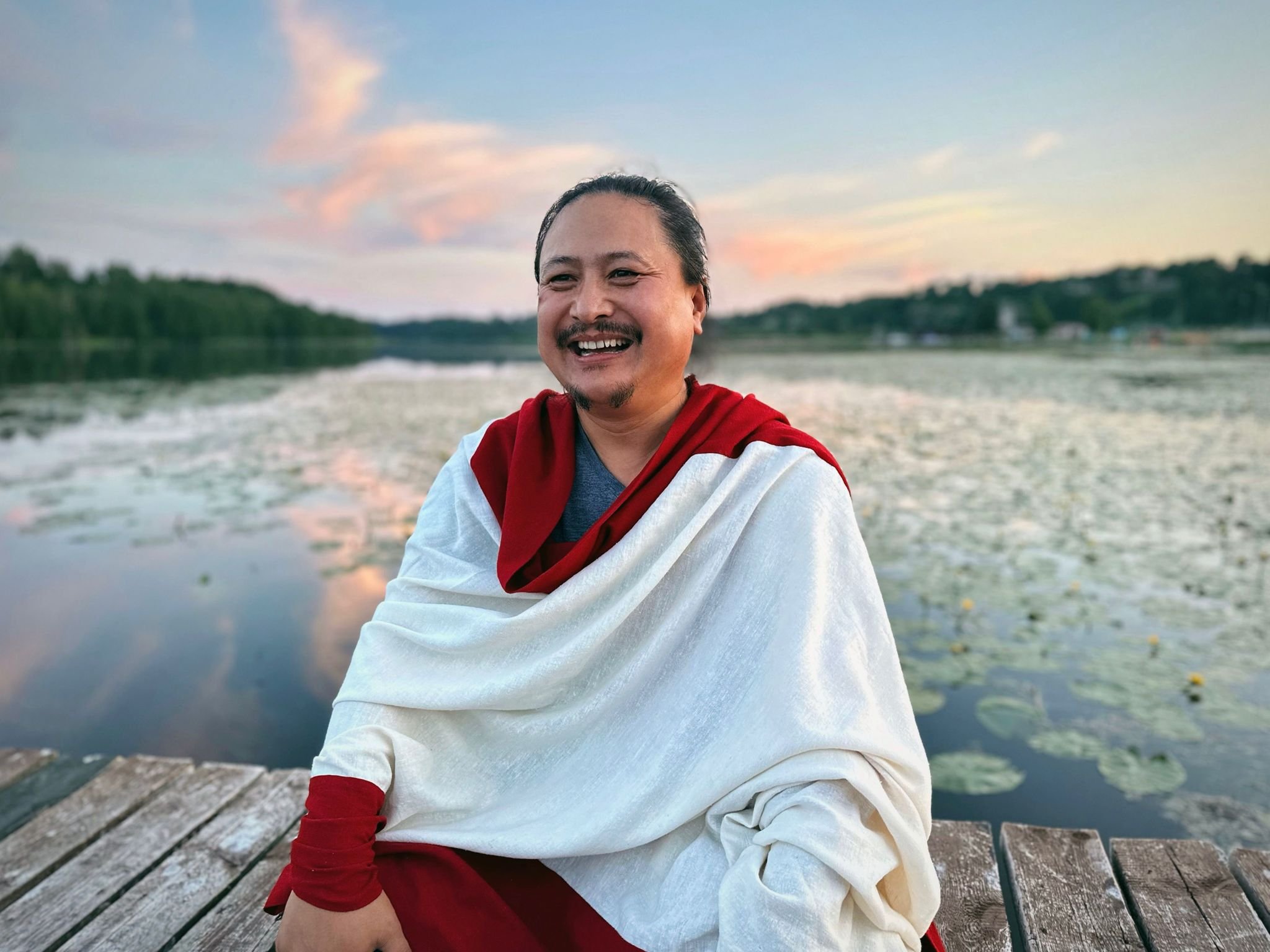
Alongside his medical education, Dr. Nida trained in Vajrayana with teachers from every school of Tibetan Buddhism. In particular, he trained in the Longchen Nyingthig tradition of the Nyingma school with his root guru Ani Ngawang Gyaltsen and in the Dudjom Tersar tradition with Chönyi Rinpoche and Semo Dechen Yudrön. He received complete instruction in the Yuthok Nyingthig lineage, the unique spiritual tradition of Tibetan Medicine, from his teachers Khenpo Tsultrim Gyaltsen and Khenchen Troru Tsenam, and was requested to continue the Yuthok Nyingthig lineage by Jamyang Rinpoche of the Rebkong ngakpa and ngakma (i.e. non-monastic yogi and yogini) community.
A well-known poet in his youth, Dr. Nida later published many articles and books on Sowa Rigpa and the Yuthok Nyingthig tradition in Tibetan and English, which have been translated into several languages. He has extensively researched ancient Tibetan healing methods, and has gained acclaim in East and West for his revival of little-known Tibetan external therapies.
Dr. Nida is the Founder and Medical Director of the Sowa Rigpa Institute of Tibetan Medicine and of Sorig Khang International: Foundation for Traditional Tibetan Medicine. He is also the co-founder and principal teacher of Pure Land Farms center for Tibetan medicine, meditation, and rejuvenation in Los Angeles; and the co-founder of the International Ngakmang Institute, which was established to preserve and support the unique Rebkong non-monastic yogi and yogini culture in modern Tibetan society.
In addition to his work as a physician, Dr. Nida trains students in Sowa Rigpa and the Yuthok Nyingthig tradition in over forty countries around the world.
🙏🙏🙏🙏🙏🙏🙏🙏🙏🙏🙏🙏🙏🙏🙏
Nepal Yoga Festival


🙏🙏🙏🙏🙏🙏🙏🙏🙏🙏🙏🙏🙏🙏🙏🙏🙏🙏
Every Tuesday at 6pm( online only)

Dharani literature has existed for over two millennia in the Mahayana Buddhist tradition. Widespread around the world and especially in the Nepalese Buddhist community, Dharanis are typically used to prevent misfortune, remove obstacles, heal and protect. Dharanis are also used in life cycle rituals and other practices.
To keep this practice alive, we are going to practice every Tuesday at 5:30pm, please come and join us. It’s free.
Free to join zoom
https://us02web.zoom.us/j/81675243031?pwd=YXBsZk52U3M3YXFFNS9nd1ZpdmVFUT09
Meeting ID: 816 7524 3031
Passcode: 328871
🙏🙏🙏🙏🙏🙏🙏🙏🙏🙏🙏🙏🙏🙏🙏🙏🙏🙏🙏🙏🙏🙏🙏
Sadhana Practice +Buddha Bhajan
Every Wednesday 6-7pm
7pm to 8pm Bhajan (in-person or online)

https://us02web.zoom.us/j/81543420523?pwd=b3ZCQi9yTWVIR2h2R2FrUllMRnFLdz09
Meeting ID: 815 4342 0523
Passcode: 8872
Singing practice
Every Friday at 8am(in-person or online)
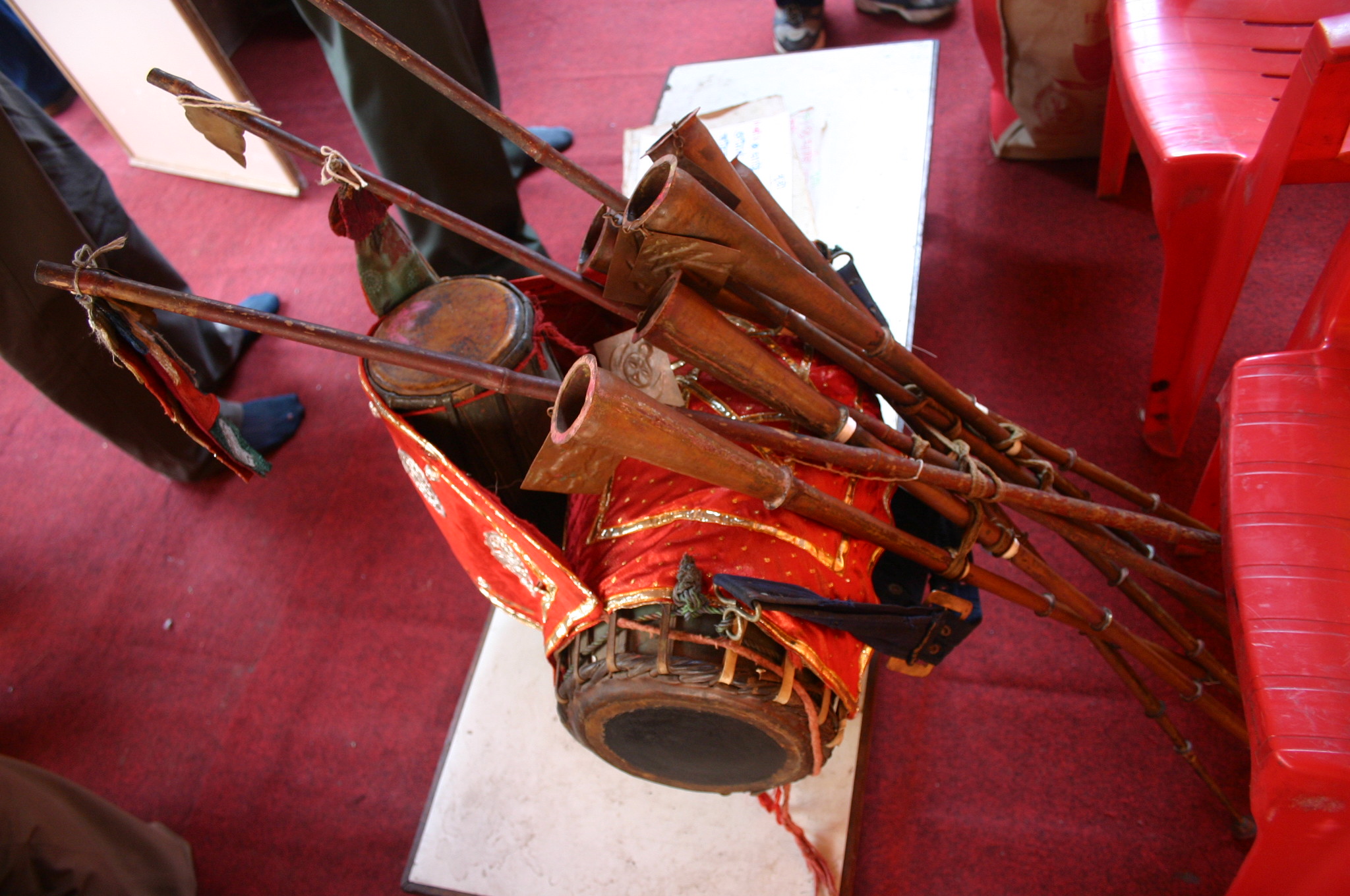
The songs of Charya Dance are a sadhana of deity yoga practice in simple Sanskrit. Anyone interested in learning these songs and about the singing tradition please join
Free to join on Zoom
https://us02web.zoom.us/j/81779088506?pwd=eVNFMjdhWFZGMThoZmt1QUxpYlNTZz09
Meeting ID: 817 7908 8506
Passcode: 426161
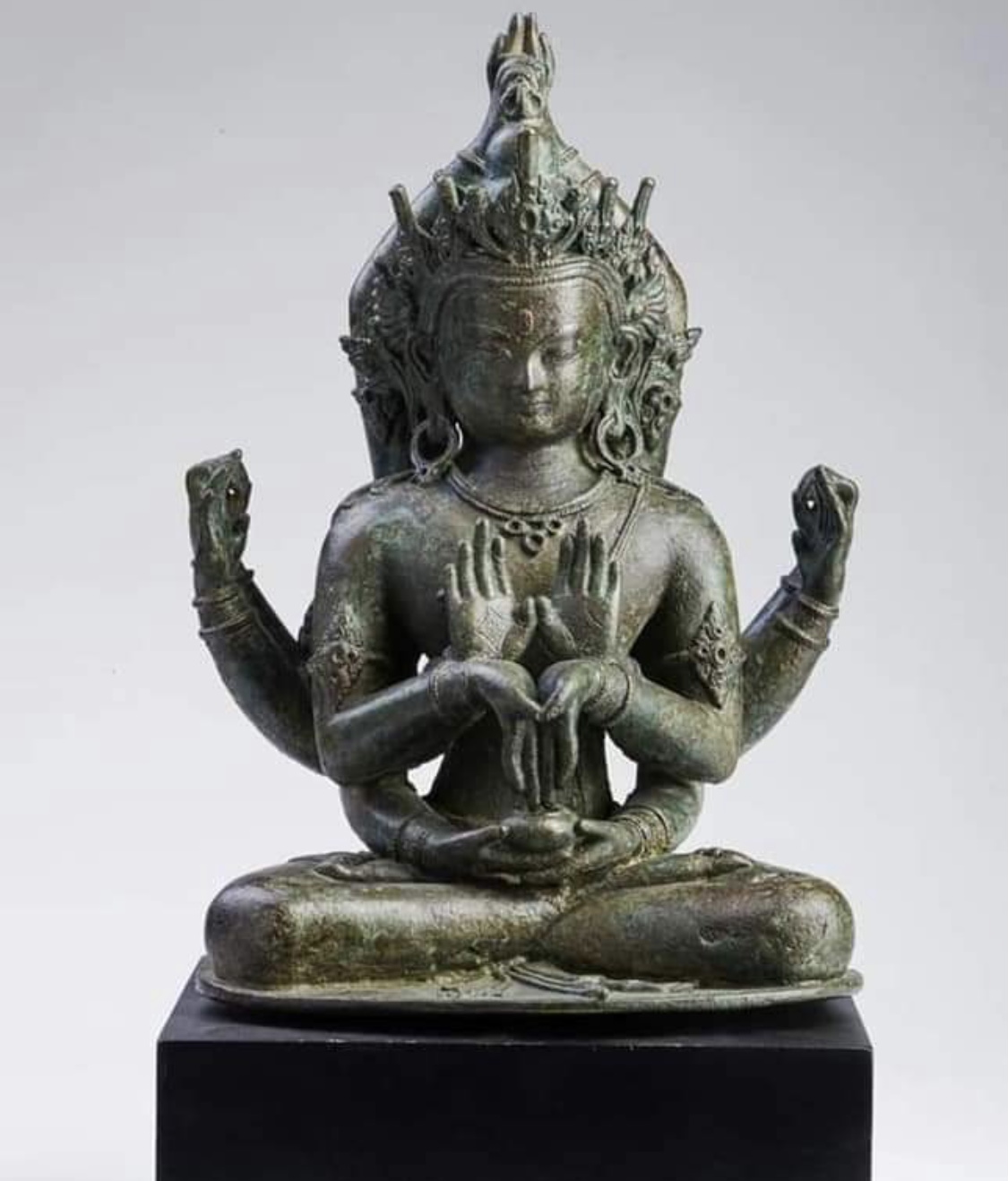
The Nama-samgiti is considered amongst the most advanced teachings given by the Shakyamuni Buddha Nama-samgiti was preached by Shakyamuni Buddha for his disciple Vajrapani and his wrathful retinue in order to lead them into Buddha-hood The essence of the Nama-samgiti is that Manjushri bodhisattva is the embodiment of all knowledge. The Nama-samgiti is a short text, only circa 167 verses and a prose section. It is a fraction of the vast Sutra. The Nama-samgiti contains all of the Buddha’s dharmas. Therefore, all sentient beings should definitely study and recite the manjushri-nama-samgiti.
Vihara has Vacancy for Pujaries
As you know, our vihara has been doing daily puja in the temple since it’s establishment, 365 days a year. It has been 14 years with out missing a day.


Over time some pujaris have moved away or their circumstances have changed, so that now there is a vacancy for some days. If you want to learn to do the ritual, we will be training individuals one-on-one by appointment in the morning at 8am on weekdays and on weekends at 9am. This is a volunteer opportunity. It is especially good for those who meditate and want to learn a different way of meditation by doing daily puja. In the training you will learn the meaning and significance of each element of the ritual. This Newah Vajrayana Buddhist ritual has been passed down from the 3rd century and is critical to the life of our vihara. Maintaining this practice not only benefits the vihara, but also helps those who perform it to grow in their own spirituality. Anyone who is interested is welcome. You do not need any background.
If you want to donate your time and practice, please contact Prajwal Vajracharya
503-807-5252 prajwalguvaju@gmail.com
Daily Ritual and Meditation –
To keep the sanctity of the temple, a traditional ritual with meditation is performed daily- Weekdays 8am to 9am, and Weekends 9am to 10am. Open for observing or meditation at this time.
DONATE NOW
for the Dance Mandal